Hydroseeding is a versatile and cost-effective solution for establishing lush, green landscapes.
In Queensland, this method has gained popularity among homeowners, commercial property owners, and public works departments.
But what exactly is hydroseeding? How does it work, and why is it so effective in Queensland’s unique climate?
This article aims to answer these questions and more. We’ll delve into the benefits of hydroseeding, the factors that influence its cost, and how to choose a reliable hydroseeding service in Queensland.
Whether you’re considering hydroseeding for a residential lawn, a commercial landscape, or a large-scale project, this guide will provide you with the information you need to make an informed decision.
Let’s explore the world of hydroseeders in Queensland.
Understanding Hydroseeding and Its Benefits
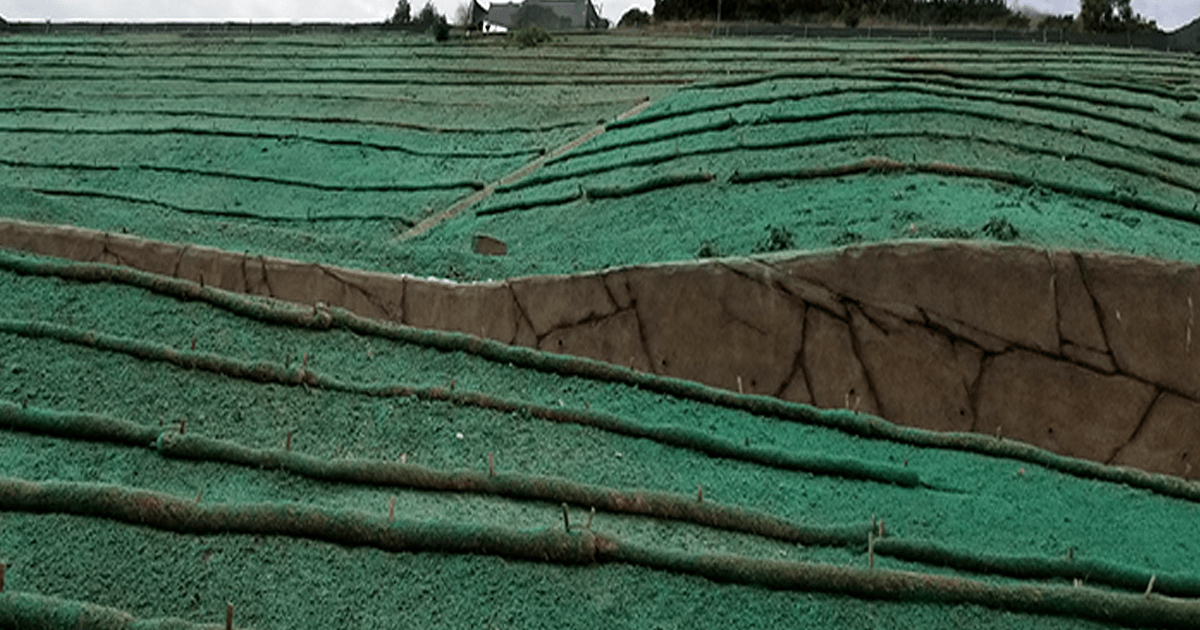
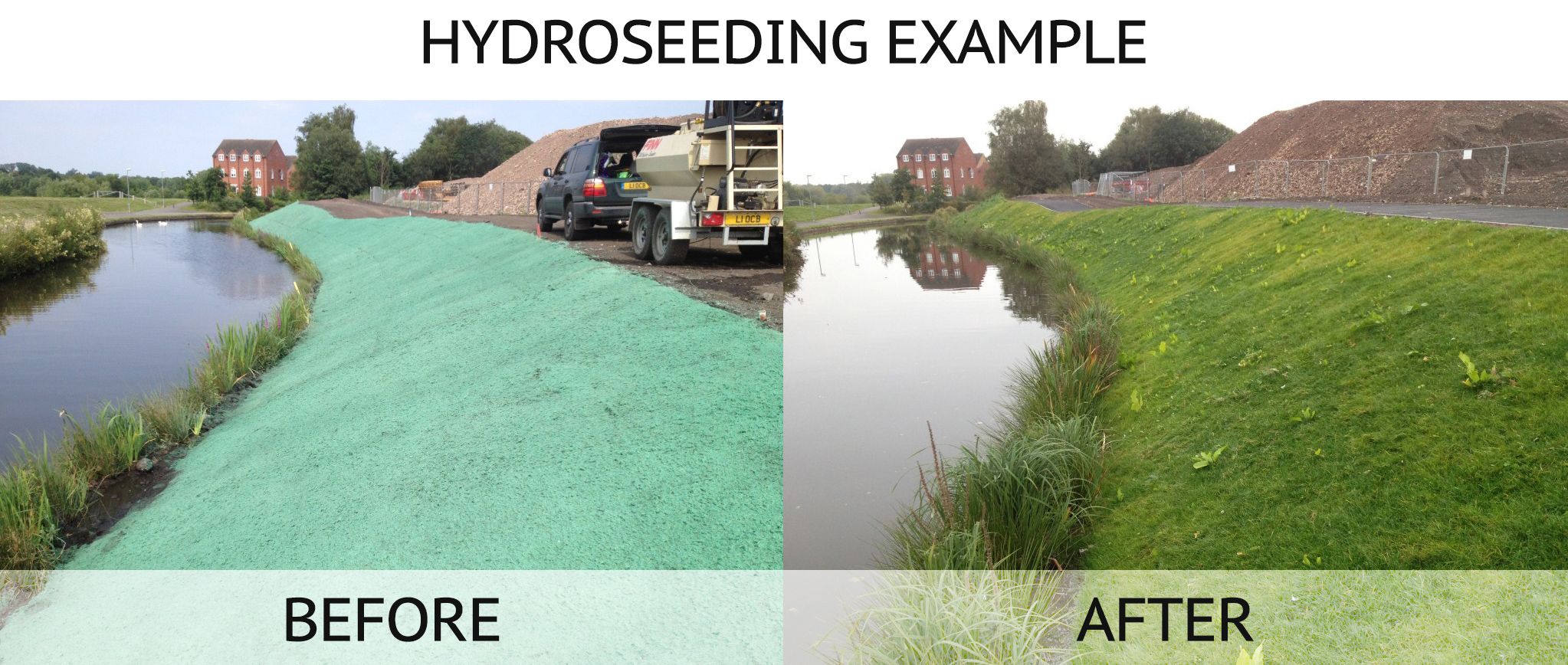
Hydroseeding is a planting process that uses a slurry of seed and mulch.
It’s a fast, cost-effective method for planting large areas and is highly effective for controlling soil erosion.
The benefits of hydroseeding extend beyond its speed and cost-effectiveness.
Here are some key advantages:
- Environmental friendliness
- Adaptability to Queensland’s climate
- Customizable seed mixtures
- Versatility for various project sizes
What is Hydroseeding?
Hydroseeding, also known as hydraulic mulch seeding, is a process that uses a mixture of seeds, mulch, fertilizer, and water.
This mixture, or slurry, is sprayed onto the ground to establish vegetation and control erosion.
The Environmental Advantages
Hydroseeding is an environmentally friendly landscaping solution.
The mulch used in the process is biodegradable and helps to retain moisture, reducing the need for frequent watering.
Hydroseeding in Queensland’s Climate
Queensland’s climate is well-suited for hydroseeding.
The process can be adapted to suit the region’s diverse weather conditions, making it a reliable choice for landscaping projects.
The Hydroseed Mixture: Components and Customization
The effectiveness of hydroseeding lies in its unique mixture.
This mixture, known as slurry, is composed of four main components: seed, mulch, fertilizer, and water.
Seed, Mulch, Fertilizer, and Water
The seed in the slurry can be customized to suit the specific needs of the area being seeded.
Mulch, made from wood or paper, protects the seeds and retains moisture, while the fertilizer provides nutrients to help the seeds grow.
Customizing Your Seed Mixture
One of the advantages of hydroseeding is the ability to customize the seed mixture.
This allows for the selection of specific plant species that are best suited to the local climate and soil conditions.
Cost Factors of Hydroseeding in Queensland
Understanding the cost of hydroseeding is crucial for budget planning.
The cost can vary based on several factors.
Average Costs and Influencing Factors
On average, hydroseeding in Queensland can range from $0.50 to $1.00 per square foot.
However, the final cost can be influenced by factors such as the size of the area, the type of seed used, and the terrain.
Cost-Effectiveness for Large Areas
Despite these costs, hydroseeding is often more cost-effective for large areas compared to traditional seeding methods.
This is due to the speed and efficiency of the hydroseeding process, which can cover large areas in a short amount of time.
Choosing a Hydroseeding Service: What to Look For
Selecting a reliable hydroseeding service is a critical step.
The right service can ensure quality results and long-term success.
Professional Hydroseeding Services
Professional hydroseeding services have the expertise and equipment to handle any project.
They can customize the seed mixture to suit your specific needs and provide aftercare advice.
Licensing, Insurance, and Reputation
Ensure the service you choose is licensed and insured.
Also, consider their reputation. Look for positive customer reviews and successful project examples.
Aftercare: Ensuring the Success of Your Hydroseeded Area
Aftercare is crucial for the success of your hydroseeded area.
Proper maintenance can ensure healthy growth and longevity.
Maintenance and Watering Tips
Regular watering is essential in the initial stages.
Avoid overwatering, as it can wash away the seeds and mulch.
Long-Term Care and ROI
Long-term care includes regular mowing and fertilizing.
With proper care, hydroseeding can offer a high return on investment by enhancing your property’s aesthetic appeal and value.
Conclusion: The Future of Hydroseeding in Queensland
Hydroseeding in Queensland is poised for growth, driven by its cost-effectiveness, environmental benefits, and adaptability to the local climate. As more property owners and landscapers recognize these advantages, hydroseeding is set to become a preferred choice for sustainable and efficient landscaping in Queensland.